You’ve stood in the skincare aisle doing the math: is the $80 serum really going to outperform a $16 bottle sitting three shelves down? Most of the time, it’s all about one thing — the ingredient list, not the packaging. Here’s how to identify the fakes that really work and which categories to splurge on.
Quick Takeaway
It’s only a legit “dupe” if it contains the same active ingredients in similar concentrations—not just a similar scent or texture. ·
The easiest categories to find good affordable substitutes for are vitamin C, hyaluronic acid, niacinamide, and retinal serums.
Where the splurge still counts: high-tech delivery systems, prescription-strength actives, and products for very reactive or medically diagnosed skin conditions.
Always do a patch test of any new product for 48 hours before adding it to your full routine.
What Actually Makes a Dupe “Legit”
Before you swap anything in your routine, it helps to know what you’re actually comparing. A real dupe isn’t about a similar-looking bottle; it’s about formulation.
When I compare two products, I look at the following:
1. Active ingredient and concentration (if the brand discloses it)
2. Where that ingredient sits in the ingredient list—actives buried near the bottom are usually present in trace amounts
3. The supporting ingredients such as humectants, antioxidants or emollients that make the active work
4. The pH, particularly for exfoliating acids and vitamin C, as pH will determine how effective (and how irritating) an active can be
A cheaper product that nails all four of these isn’t a “knockoff”—it”‘s just a smarter formulation choice, often from a brand spending less on packaging, marketing, and retail markup rather than on the ingredients themselves.
Categories Where Dupes Genuinely Compete
Some skincare categories are easier to “dupe” well than others because the chemistry is simpler and less proprietary.
Hyaluronic acid serums—This is an ingredient that is easy to find and inexpensive to source, so the difference in price is almost entirely down to branding.
Niacinamide treatments are a well-studied stable ingredient that works just as well in most well-formulated products.
Vitamin C serums—These are trickier. How well they work depends a lot on the formula’s stability and how it’s packaged. Look for opaque, airtight bottles, since vitamin C breaks down quickly when exposed to light and air. The good news: plenty of mid-range options get this right, so you don’t need to spend a fortune to get one that actually works.
Basic retinal formulas A well-formulated drugstore retinol in lower percentages can do as good a job as a prestige one.
Ceramide-based moisturizers are often reformulated versions of similar core ingredient blends, just repackaged.
If you’re trying to figure out which of these five categories is worth testing first, start with whichever one is already a staple in your routine—you’ll notice a difference (or lack of one) faster on a product you use daily. This is also a good moment to revisit [building a minimalist skincare routine], since fewer products make it much easier to isolate what’s actually working.
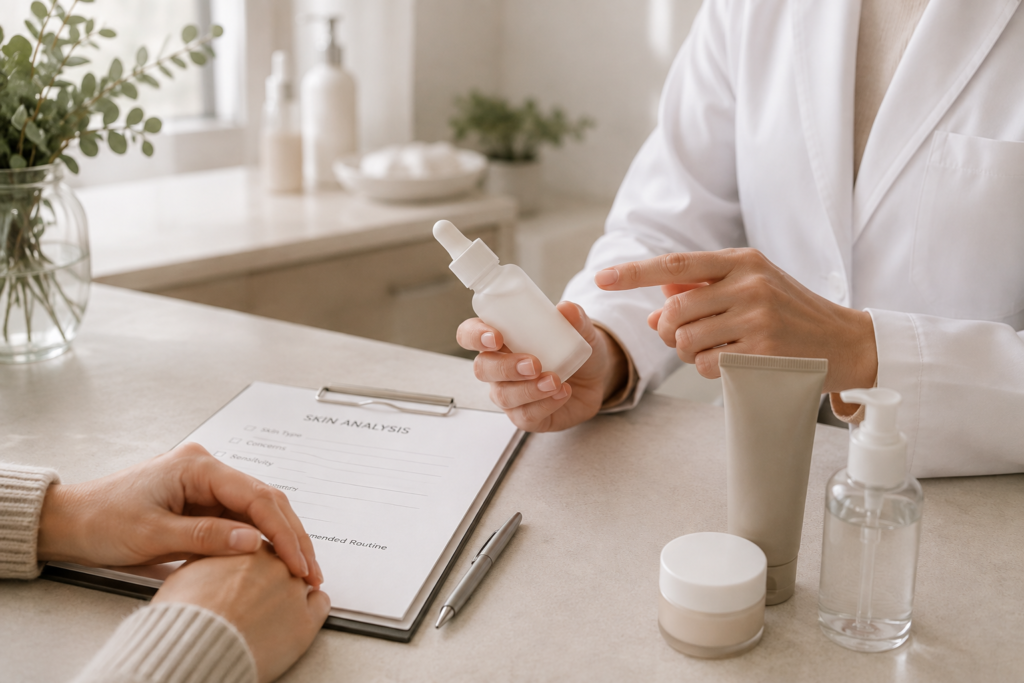
Where the Higher Price Still Earns Its Keep
This is the part a lot of “dupe” content skips, and it’s worth being upfront about: not all content is interchangeable.
Prescription-strength retinoids (like tretinoin) can’t be duplicated with an over-the-counter dupe—a totally different regulatory category. That engineering is more costly to produce.
Encapsulated or time-release actives can really reduce irritation without sacrificing potency.
Products for diagnosed skin conditions like rosacea, eczema, and cystic acne are worth discussing with a dermatologist rather than swapping out based on a budget dupe, as your skin’s needs may be more specific than a general “best dupe” list accounts for.
The quality control of scent-free, sensitive-skin formulas can be quite different from one brand to the next, so this is one where I’d read reviews carefully before trying a new brand.
My Honest Take: The One Swap Most People Overlook
One tip that you don’t hear enough about: the biggest “dupe” opportunity isn’t serums; it’s sunscreen. They will buy a $20 alternative to a $70 moisturizer but will continue to use an expensive sunscreen because of habit.
But in fact, all sunscreen efficacy is regulated and tested by the FDA regardless of the price point. The price difference is almost entirely about texture preference and marketing, not sun protection performance.
A well-rated broad spectrum SPF in the drugstore aisle is doing the same core job as a luxury version.
If you do one thing after reading this, let it be this. It’s the highest impact, lowest risk change you can make to your routine today.
How to Actually Test a Dupe Without Wasting Money
Switching products all at once makes it hard to know what’s working. Try this instead:
- Replace one product at a time, not your whole routine
- Give it at least 4-6 weeks before judging results—most actives need consistent use to show a difference
- Take a plain, well-lit photo on day one so you have something to compare against later, not just memory
- Watch for irritation in the first week—redness, stinging, or breakouts are signs to stop, not push through
- Keep the original product on hand for a few weeks in case you need to switch back
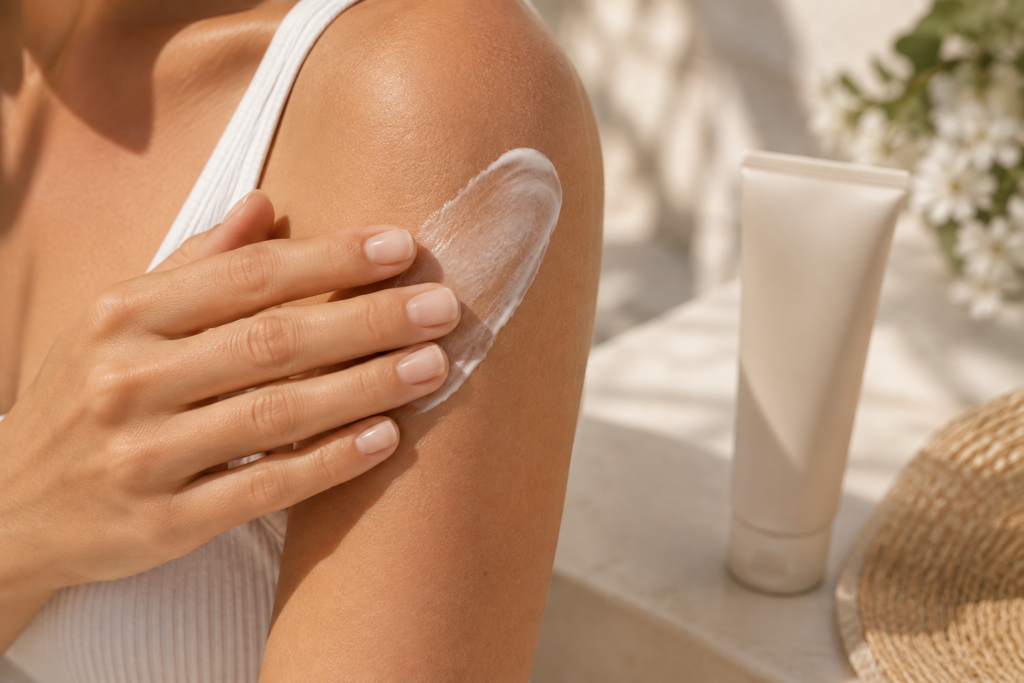
This approach also protects your skin barrier, since introducing multiple new actives at once makes it hard to identify the source if something goes wrong. If you’re also dealing with [sensitive skin flare-ups], slow, single-product testing matters even more.
A Word on Ingredient Labels
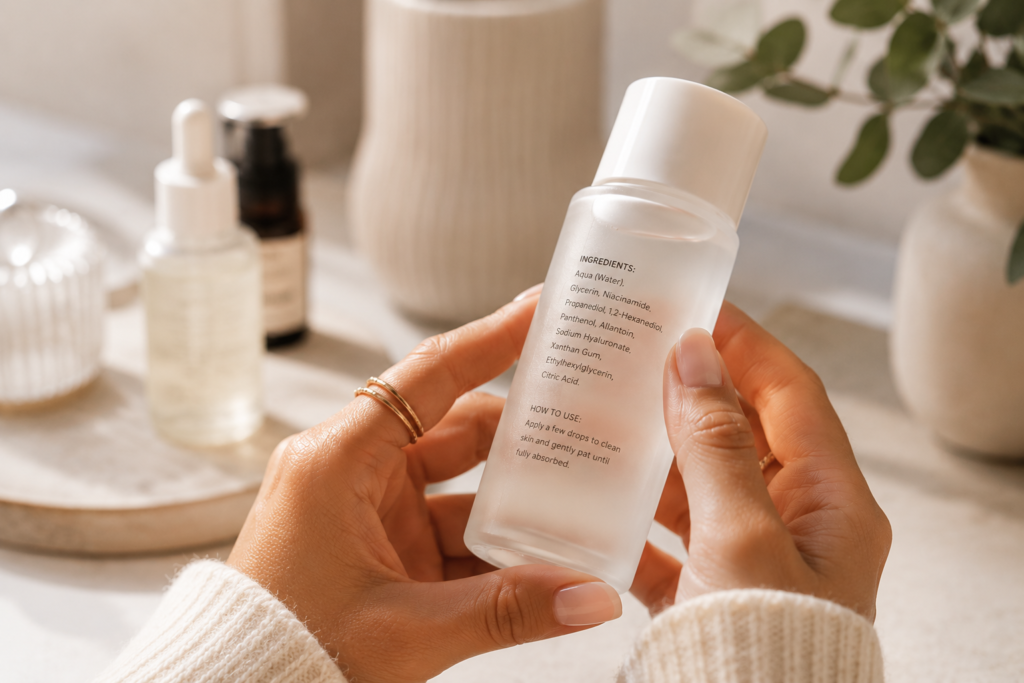
Reading an ingredient list can feel like decoding a chemistry exam, but you don’t need a science degree to compare two products effectively. Focus on:
- The first five ingredients—these make up the bulk of the formula
- Whether the active ingredient appears early or is buried near preservatives at the bottom
- Duplicate actives across products—sometimes a “different” serum has nearly the same core formula as one you already own
Brands aren’t required to disclose exact percentages of most actives, so some of this comparison is educated estimation rather than an exact science—which is part of why patch testing matters more than the ingredient list alone.
FAQ’s
Are skincare dupes actually as effective as the original? For ingredients with simple, well-understood chemistry — like hyaluronic acid or niacinamide — a well-formulated dupe can perform very similarly. For more complex or prescription-only ingredients, differences are more likely.
How long should I patch-test a new product? A minimum of 48 hours on a small area, like your inner arm or jawline, before applying it to your full face. If you have known sensitivities, extending that to a week is a reasonable extra precaution.
Should I switch to a dupe if I have a diagnosed skin condition? It’s worth checking with a dermatologist first, since conditions like rosacea or eczema often respond differently to formulation changes than general skin does.
Bottom Line
It’s not about being cheap—it’s about spending your money where the formulation actually earns it and saving it where a fancier label isn’t doing much extra work. Try one category, give yourself a real trial period, and let your skin (not the price tag) tell you if the swap was worth it.
“This article was researched and reviewed for accuracy before publishing.”
About the author: Dev K is the creator of TheVelvetBlossom.com. He shares practical, research-based tips on beauty, skincare, and fashion that are easy to incorporate into daily life.