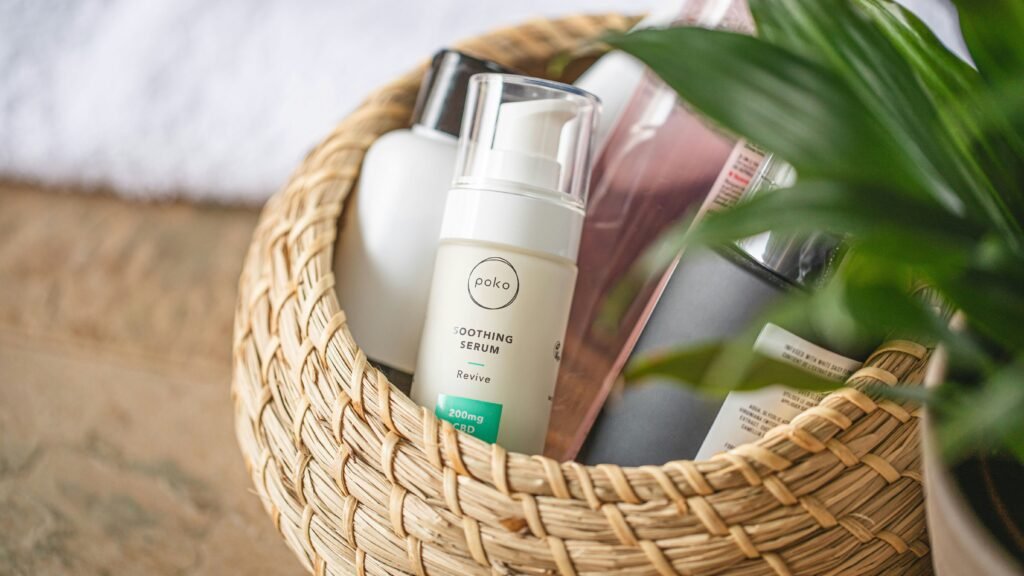

Face serums have become the foundation of modern skincare routines. Serums are lighter than heavy creams and lotions. They absorb quickly and come with a high level of active ingredients targeted for specific concerns such as dullness, fine lines, breakouts, and dehydration.
But with hundreds of choices, it can be overwhelming trying to pick and figure out what’s best for your skin. This guide breaks down exactly what to look for based on your skin type, skin product selection, few tips and product selection.
What Is a Face Serum, Exactly is?
A serum is a concentrated skincare treatment with smaller molecules than a moisturizer. This penetration helps deliver active ingredients where they are most needed. Serums are usually used after cleansing and toning but before applying moisturizer.
They provide a concentrated dose of active ingredients such as vitamin C, hyaluronic acid, niacinamide, or retinol.
Face serums target specific concerns and help the skin look its best. Apply them after cleansing and toning and before moisturizer to maximize absorption.
Note: A serum is not a substitute for moisturizer or SPF—think of it as a booster that works with the rest of your routine, not in place of it.
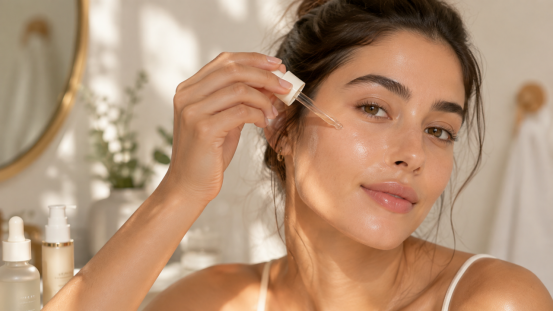
Choosing a Serum by Skin Type
Dry skin
Dry skin needs ingredients that attract and hold moisture. Hyaluronic acid, vitamin E, argan oil, or rosehip oil help repair the Dry and flaki skin.
Tip: Apply hyaluronic acid serum on damp skin or well toned skin —it pulls moisture from its environment, so a dry face has less to pull from.
Oily & Acne-Prone Skin
For oily or breakout-prone skin, lightweight, non-comedogenic serums are helpful. Niacinamide and salicylic acid help control sebum production, reduce the look of pores, and soothe inflammation without clogging pores.
Pro tip: Introduce salicylic acid slowly (2-3 times a week) so you don’t over-dry or irritate your skin barrier.
Combination Skin
Those with combination skin will love the balancing ingredients that hydrate the dry patches but control the oil in the T-zone. Niacinamide + hyaluronic acid is often a sweet spot.
Tip: Use two serums—one lightweight and hydrating on the whole face and one niacinamide-based only on the oilier parts.
Sensitive Skin
For sensitive, reactive skin, choose fragrance-free, hypoallergenic formulas with soothing ingredients such as panthenol, oat extract, or thermal spring water.
Tip: Patch-test any new serum on your inner arm for 24–48 hours before applying it to your face.
Mature Skin
For fine lines, loss of elasticity, and uneven tone, dermatologists often recommend serums containing retinol, peptides, or antioxidant-rich vitamin C to support collagen production and brighten the complexion.
Tip: Use vitamin C in the morning (it also helps protect against environmental damage) followed by very high broad spectrum sunscreen and save retinol for nighttime use.
Dull or Patchy Skin Tone
If your main worry is dullness or dark spots, then you should look for vitamin C, tranexamic acid, kojic acid, or niacinamide — all well-researched ingredients known to brighten and even tone.

How to Layer Serums the Right Way
- Cleanse
- Toner (optional)
- Apply serum(s), thinnest to thickest consistency
- Moisturize
- SPF (AM only — non-negotiable, even with serums that contain antioxidants)
Note: More isn’t always better. Using three or four active serums at once can overwhelm your skin barrier. Most dermatologists recommend starting with one targeted serum and adding others slowly.
Highly Rated, USA-Based Serum Picks
Based on recent expert and consumer reviews, these are standout options widely available in the U.S. market:
- CeraVe Hydrating Hyaluronic Acid Serum: This budget pick features hyaluronic acid, niacinamide and ceramides in a lightweight gel-cream, with a patented delivery system for long-lasting hydration. Good for combination and dry skin types.
- The Ordinary Hyaluronic Acid 2% + B5 : A simple, budget-friendly hydrating serum that’s popular with sensitive and normal skin types.
- CosRx The Hyaluronic Acid 3 Serum : Often cited as one of the best hyaluronic acid serums for simple, effective hydration.
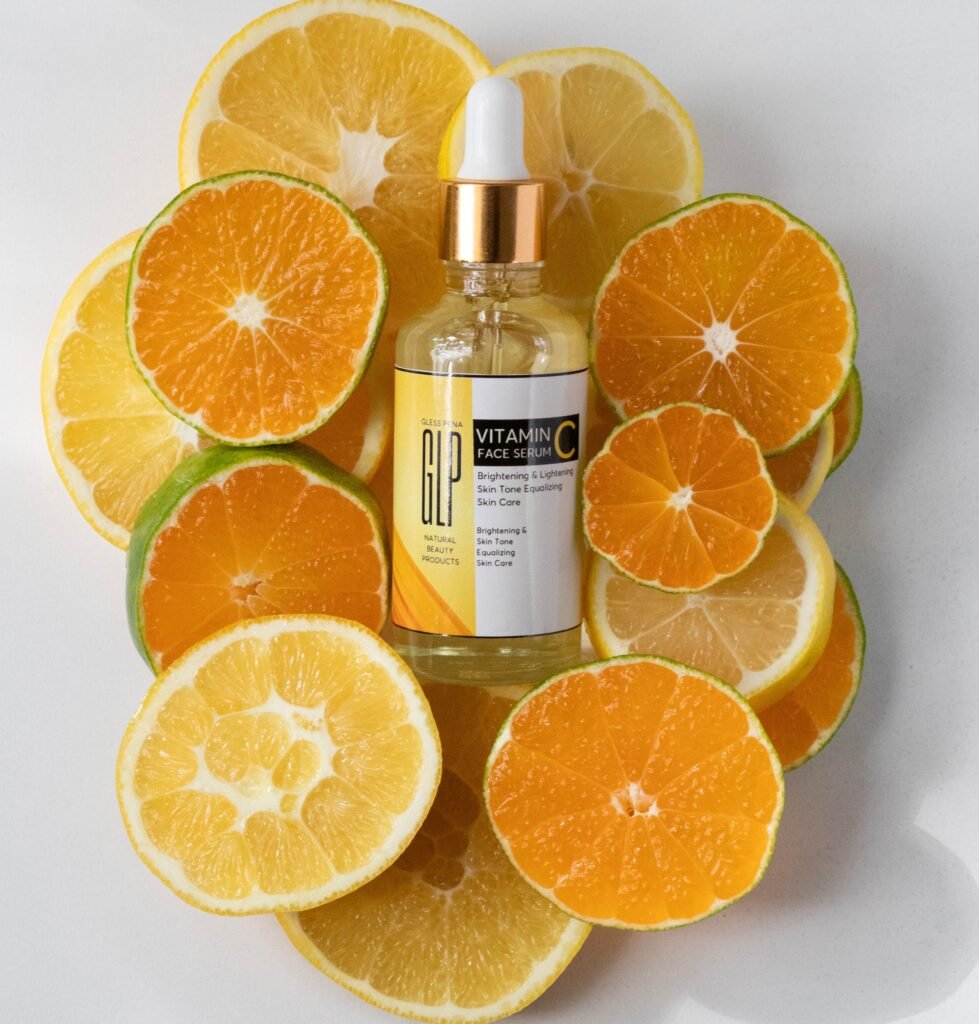
- Naturium Vitamin C Complex Serum : A brightening formula that combines vitamin C with hyaluronic acid and fruit extracts; noted for being fragrance-free and non-sticky, making it suitable for first-time vitamin C users.
- Encapsulated Retinol Serum : a dermatologist-recommended anti-aging choice that uses encapsulation technology to minimize irritation while still delivering the benefits of retinol
- Revision Skincare Vitamin C Lotion 30% : A more intense vitamin C for those familiar with actives and looking for visible brightening and firming.
- Alastin HA Immerse Serum: A splurge-worthy choice that dermatologists adore for its patented peptide technology, which supports the skin’s natural production of hyaluronic acid.
Note: Product formulations and rankings shift frequently as brands reformulate and new research emerges, so it’s worth checking current reviews before purchasing, especially for actives like retinol or high-percentage vitamin C.
Common Mistakes to Avoid
• Not wearing SPF after using vitamin C or retinol serums, which can increase sun sensitivity
• Combining incompatible actives (retinol + vitamin C or two exfoliating acids) in the same routine without guidance
• Expecting overnight results—most serums take 4-8 weeks of consistent use to show visible change
• Too much product – serums typically only require 2-3 drops per use
Final Tip
If you don’t know where to start, hyaluronic acid serum is one of the safest ways to get going for pretty much any skin type. Then layer in a targeted active (niacinamide, vitamin C or retinol) for your specific concern. Always add in new actives one at a time.
Further Reading & References
For deeper dives into serum ingredients and additional product roundups, these outlets offer well-researched, regularly updated guides:
- Forbes Vetted — Best Vitamin C Serums
- Forbes Vetted — Best Hyaluronic Acid Serums
- CNN Underscored — Best Face Serums, Dermatologist-Approved
- Yahoo Shopping — The Best Face Serums, Tested and Reviewed
“This article was researched and reviewed for accuracy before publishing.”
About the author: Dev K is the creator of TheVelvetBlossom.com. He shares practical, research-based tips on beauty, skincare, and fashion that are easy to incorporate into daily life.