I used to think a “designer wardrobe” was something you bought or inherited. Then I spent a year testing that assumption and tracking every dollar and ended up with a closet full of pieces I actually reach for under $500 total.
Here’s how I did it, mistakes and all.
Quick Takeaway
You can build a designer wardrobe for under $500 if you shift your mindset from buying items to buying a system—think resale, timing, and fabric literacy instead of chasing brands. When buying secondhand, spend on investment pieces (outerwear, shoes, bags) and not trend pieces. 30 seconds to spot quality construction. Save yourself from costly-looking mistakes. Consignment apps, sample sales, and end-of-season drops beat out “designer dupe” sites in the long run. More important than the total spend is the budget allocation: I split my $500 about 40/30/20/10 across categories (see below).
Why “Designer Wardrobe” Doesn’t Have to Mean Full Price
The fashion industry wants you to think that designer clothes are worthless the instant you wear them. Most well-made items are made to last through several rounds of fast fashion, and the resale market exists in part because so many designer items are barely worn before their first owner moves on.
The first mindset shift was pretty simple: I stopped asking, “What can I afford new?” and started asking, “What’s the smartest way to pieces that were always overpriced for their materials in the first place?” That one reframe changed where I shopped, when I shopped, and what I prioritized.
This is also where understanding [building a capsule wardrobe that actually works] helped because a designer wardrobe on a budget isn’t about owning more; it’s about owning fewer, better things that combine well.
Step 1: Map Your Non-Negotiables Before You Spend a Dollar
Before downloading a single marketplace app, I wrote down five categories that I truly wear on repeat: outerwear, one structured bag, versatile shoes, a blazer, and quality denim. The remainder was optional.
This was important because designer resale prices vary widely by category. Silk scarves might cost $15. Even a used structural leather bag from the same brand can run $180. Knowing your priorities prevents you from blowing your budget on something flashy and low-impact.
• List your 5 most-worn categories from your current
• Closet: Rank them by cost-per-wear potential, not price tag.
• Set a rough ceiling per category before browsing.

Step 2: Where I Actually Shopped (and Where I Didn’t)
I split my $500 across four sourcing channels, and each one served a different purpose:
- Consignment and resale apps (about 45% of the budget)—best for structured pieces like bags, blazers, and coats where authentication counts
- Local consignment boutiques (approx. 25%)—Often underappreciated because they turn over their inventory quickly. Great for trying things on before you buy
- End-of-season designer sample sales (about 20%): Timing varies, but this was the best price per quality ratio I found all year
- Thrift stores in high-income zip codes (about 10%)—a gamble, but you might hit the jackpot (a barely worn wool coat for $22) and make it worth your time
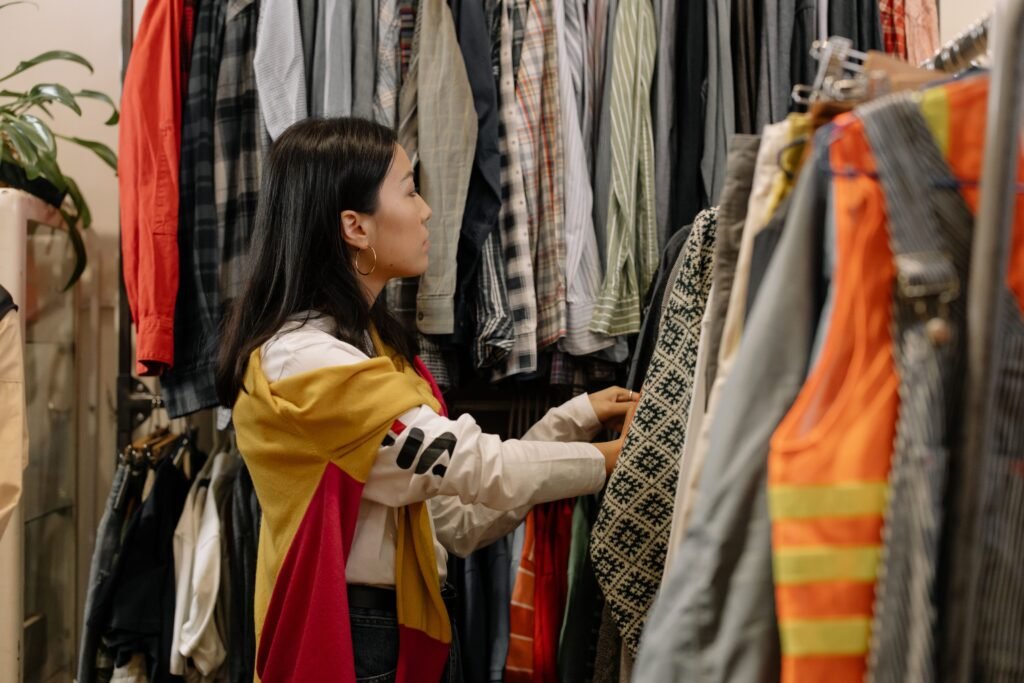
What I avoided entirely: “designer-inspired” or replica sites. Beyond the ethical and legal gray zone, the construction quality is almost never comparable, and cost-per-wear ends up worse once things pill or lose shape after a few washes.
Step 3: Learn to Spot Quality in Under 30 Seconds
This is the skill that actually made the $500 stretch. I taught myself a quick physical checklist for any secondhand piece:
· Seams: straight, evenly spaced stitches without loose threads
· Weight: quality fabric has weight; if it feels papery or too light, it probably is not going to hold shape.
· Hardware: Zippers and buttons should feel solid and not plasticky, even on non-metal items.
· Lining: If a jacket or bag has a fully lined interior, this is generally an indicator of better construction standards.
· Smell test: musty or heavy chemical smells often mean storage damage that will not wash out completely.
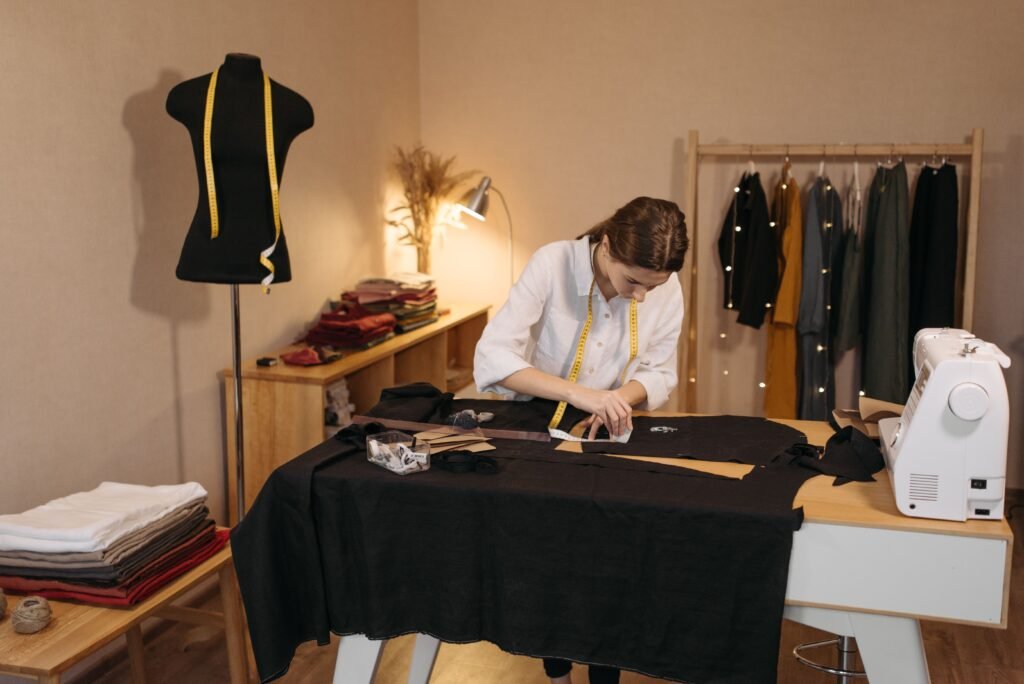
Once this became automatic, I stopped wasting money on items that looked designer in photos but felt cheap in person—a mistake that ate almost $80 of my early budget before I got strict about it.
Step 4: Buy the “Boring” Pieces First
The instinct is to look for statement items first. I did the opposite, and it’s the only decision I would make again if I had to do it over.
Before anything trend-driven, I bought a neutral wool-blend coat, a structured black bag, and one well-cut blazer. These three pieces have been in more outfit combinations than the rest of my closet combined, which is really what a “designer wardrobe” should be: pieces that elevate everything around them, not themselves.
This is where a little serious reflection on [seasonal capsule essentials worth investing in] can save you from making my early mistake of chasing one flashy piece too soon if you’re building a closet from scratch.

Step 5: Timing Is a Bigger Lever Than Bargaining
Resale prices on designer apps fluctuate more than people realize. I tracked listings for three months before buying my coat, and the price dropped almost 30% simply because I waited past the initial listing spike and into a slower shopping week.
Patterns I saw
1. Prices typically drop substantially in the two weeks following major shopping holidays as the initial demand fades.
2. Thursday/Friday late-week listings don’t get as much attention as weekend drops, so sellers are often more open to offers.
3. Off-season categories (wool coats in spring, linen in fall) are consistently underpriced.
None of this requires negotiation skill—it just requires patience, which is genuinely the most underrated budgeting tool in secondhand shopping.
Step 6: Track Cost-Per-Wear, Not Just Price
By the end of the year, the number I cared about wasn’t “how much did I spend?” but cost per wear. My $95 jacket, which I wore roughly 40 times in a season, ended up costing me less than $2.40 per wear. That’s a more honest way to measure value than sticker price alone, and it’s a metric I now use before any purchase, secondhand or not.

Quick note here: building any wardrobe, regardless of budget, works best in conjunction with general financial habits that align with your actual income—this article isn’t financial advice, and if budgeting feels genuinely stressful rather than just a planning exercise, it’s worth discussing with a financial professional who can look at your full picture.
What I’d do differently next time
1. Set a hard sub-budget per category from day one rather than adjusting as I went.
2. Skip impulse buys on “cute but not core” pieces—lining—and I regretted two purchases that never left the closet.
3. Look for the item earlier in the season instead of waiting until I need the item
FAQ
Is it really possible to build a designer wardrobe for under $500? Yes, if you focus on foundational pieces and resale timing rather than trying to buy multiple full-price items. The budget goes further on fewer, well-chosen pieces than many small purchases.
Are secondhand designer pieces actually authentic? Reputable consignment apps and boutiques typically use authentication processes, but it’s worth checking a platform’s specific policy before buying higher-cost items like bags.
How do I know if a piece is worth the price even secondhand? Use the quality checklist above—seams, weight, hardware, and lining — and calculate rough cost-per-wear before committing, especially for anything over $50.
Building this closet taught me that “designer” was never really about the label—it was about construction, fit, and pieces that don’t fall apart after one season. That $500 version of that idea just takes more patience than a full-price shopping spree, and honestly I think it made me more intentional about everything I have bought since.
“This article was researched and reviewed for accuracy before publishing.”
About the author: Dev. K is the creator of thevelvetblossom.com, where they share practical, research-backed beauty, skincare, and fashion tips for real-life routines.